







Welcome to Biological Mimetics, Inc.
Our Mission is to join biology and engineering to identify and prevent global infections.
Biological Mimetics, Inc. (“BMI”) was formed in 1996 to commercialize innovative pharmaceutical products that will improve the quality of life and overall state of public health by combating resistant and emerging diseases in human and veterinary medicine.
BMI has collaborated with partners who share our vision to take BMI's innovative and proprietary platforms to market. We believe that these technologies have the potential to become heavy hitters in the vaccine and rapid diagnostic areas. If you are interested in collaborating with BMI, please contact us at This email address is being protected from spambots. You need JavaScript enabled to view it. .
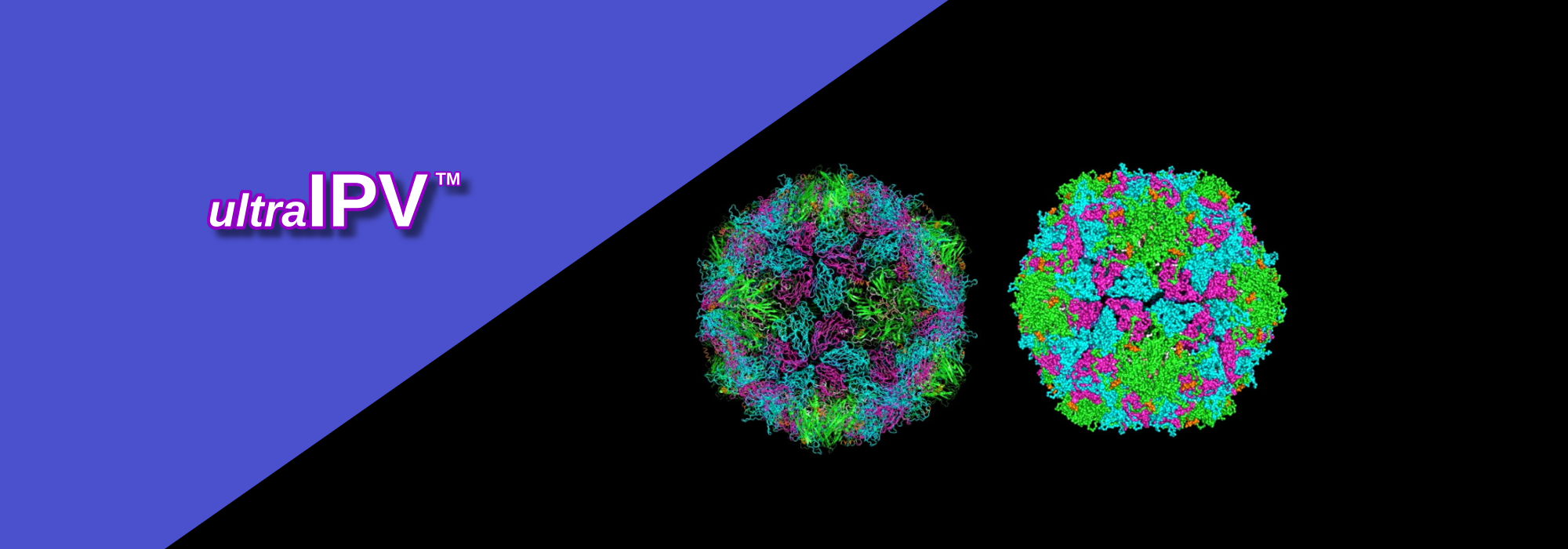
 With this patented technology pathogens are complexed with a manganese-decapeptide-phosphate (MDP) and then exposed to UV light. Advantages include a quick, easy, and reproducible process all while lowering manufacturing process costs. The MDP system has been adapted from radiation-resistant bacteria such as Deinococcus radiodurans. The front runner of this technology is ultraIPV. More information about ultraIPV can be found at
  FAST is a convenient multi-chambered diagnostic tool that is pre-loaded during manufacturing with reaction components for simple, instrument-
 free step-wise performance of CRISPR diagnostics. This technology was developed in collaboration with Dr. Ke Du, UC-Riverside and can be integrated with isothermal RPA amplification and CRISPR cleavage for instrument, yet sensitive nucleic acid detection compatible with emerging infections in low-income countries who are most devastated by these infections.